
Call: 08071724964
 Send Inquiry
 Send Inquiry
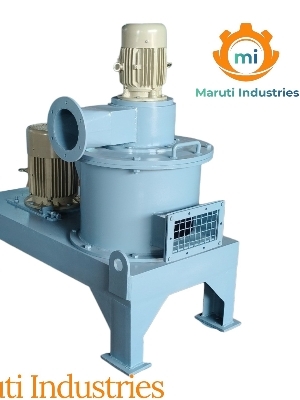
Pesticides formulation machinery plants
Price 1500000 INR/ Square Feet
MOQ : 1 Square Feet
Pesticides formulation machinery plants Specification
- Type
- Feed Grinding Machine
- Computerized
- No
- Automatic
- No
- Feature
- High Performance, ECO Friendly, Low Noise, Lower Energy Consumption, High Efficiency
Pesticides formulation machinery plants Trade Information
- Minimum Order Quantity
- 1 Square Feet
- FOB Port
- Ahmedabad
- Supply Ability
- 1 Square Feet Per Month
- Delivery Time
- 2 Months
- Main Export Market(s)
- Asia, Australia, Central America, North America, South America, Eastern Europe, Western Europe, Middle East, Africa
About Pesticides formulation machinery plants
Pesticide formulation plants mix technical-grade active ingredients with inert carriers, solvents, and adjuvants to produce safe, usable agricultural products. Grinding Mills: Air classifier mills or bead/splash mills for ultra-fine powder and nano-grinding. Blenders: Ribbon blenders for dry powder mixing and pre-blending stages. Filtering & Filling Lines: Sparkler filter presses and semi-automatic liquid/powder filling systems.High-Performance Feed Grinding for Pesticide Plants
Experience robust performance in pesticide formulation with our specialized feed grinding machine. Designed without computerized or automatic features, this equipment delivers consistent grinding while prioritizing eco-friendliness. The low noise operation and reduced energy usage create an efficient, sustainable environment ideal for modern manufacturing. Streamline your workflow and boost output with this reliable machinery.
Eco-Friendly and Efficient Solution
This feed grinding machine stands out for its eco-conscious operation, consuming less energy and emitting minimal noise. Its high efficiency ensures substantial throughput without compromising on sustainability. Perfectly suited to pesticide machinery plants, it helps operators achieve productivity targets while supporting environmental initiatives.
FAQ's of Pesticides formulation machinery plants:
Q: How does this feed grinding machine contribute to energy efficiency?
A: The feed grinding machine is designed with lower energy consumption mechanisms, ensuring that more material is processed using less power. This results in significant energy savings during long production cycles, making it ideal for environmentally conscious manufacturing.Q: What types of pesticide formulations can be processed using this machine?
A: This machine is versatile and can handle a variety of feed materials necessary for pesticide formulations. Its robust grinding capability supports the preparation of powdered and granular blends for multiple pesticide types.Q: When is the optimal time to operate this grinding machine for maintenance?
A: Regular maintenance is best scheduled after a production shift or during planned operational downtime. This ensures the machinery remains in top condition, maintaining its high efficiency and prolonging its service life.Q: Where is this machine best installed within a pesticide formulation plant?
A: The feed grinding machine should be placed in the primary material preparation section of your plant. Proper positioning enables seamless material transfer and integration with upstream and downstream processes.Q: How does the low noise feature benefit workplace safety?
A: Operating at reduced noise levels means a quieter work environment, decreasing the risk of hearing-related health issues and enhancing overall workplace comfort and safety for plant personnel.Q: What is the process for using the feed grinding machine in pesticide formulation?
A: Operators load raw feed ingredients into the machine, where the grinding mechanisms break them down to the required particle size. The processed material then exits the machine for use in blending, mixing, or further processing stages.Q: What are the main benefits of choosing this non-automatic, non-computerized feed grinding machine?
A: This machine offers straightforward operation, ease of maintenance, and dependable performance without the complexities of automation or computer controls. Its simplicity reduces the risk of technical malfunctions, ensuring consistent output and easier troubleshooting.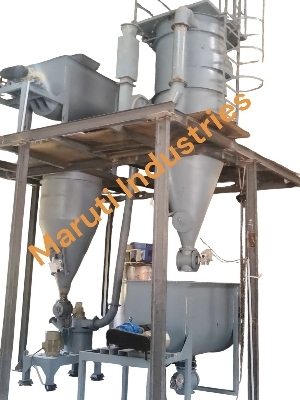
Tell us about your requirement

Price:
Quantity
Select Unit
- 50
- 100
- 200
- 250
- 500
- 1000+
Additional detail
Mobile number
Email

More Products in Air Classifier Mill Category
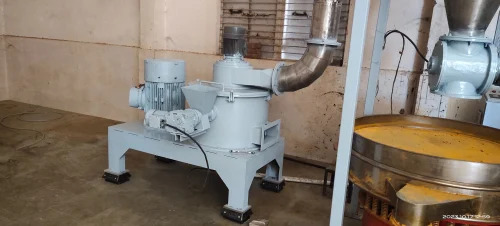
30HP Acm Grinding Mill
Price 1200000 INR / Unit
Minimum Order Quantity : 1 Unit
Color : Other, Industrial Grey
Model : Maruti
Capacity : 100 Kg/hr
Type : Other, Air Classifier Mill
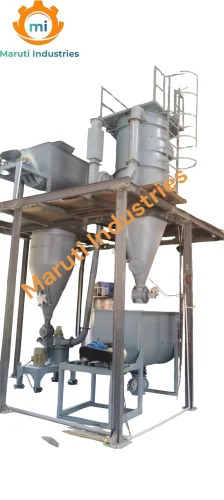
Air Classifying Mill Machine
Price 1500000 INR / Unit
Minimum Order Quantity : 1 Unit
Color : Other, Grey
Model : MIACM
Capacity : 200 kg/hr
Type : Other, Air Classifier Mill
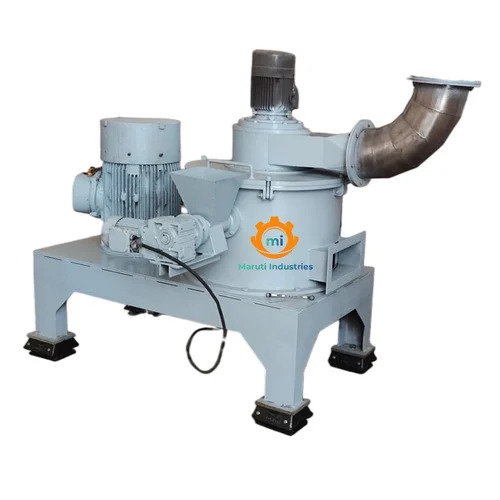
MS Air Classifier Mill
Price 1000000 INR / Unit
Minimum Order Quantity : 1 Unit
Color : Other, Grey
Model : MS Air Classifier Mill
Capacity : 200 kg/hr
Type : Other, Vertical
Air classifier mill
Price 1000000.0 INR / Unit
Minimum Order Quantity : 1 Unit
Color : Other
Model : MS Acm Mill
Capacity : 50 kg to 500 kg
Type : Other, Closed Circuit, Fixed Speed

Contact Details
Maruti Industries
GST : 24AWVPP5035H1Z5
- Plot No. 3757, Phase 4, GIDC, Behind New Nirma, Vatva GIDC, Vatva,Ahmedabad - 382445, Gujarat, India
- Phone :08071724964
 Send Inquiry
Developed and Managed by Infocom Network Private Limited.
